

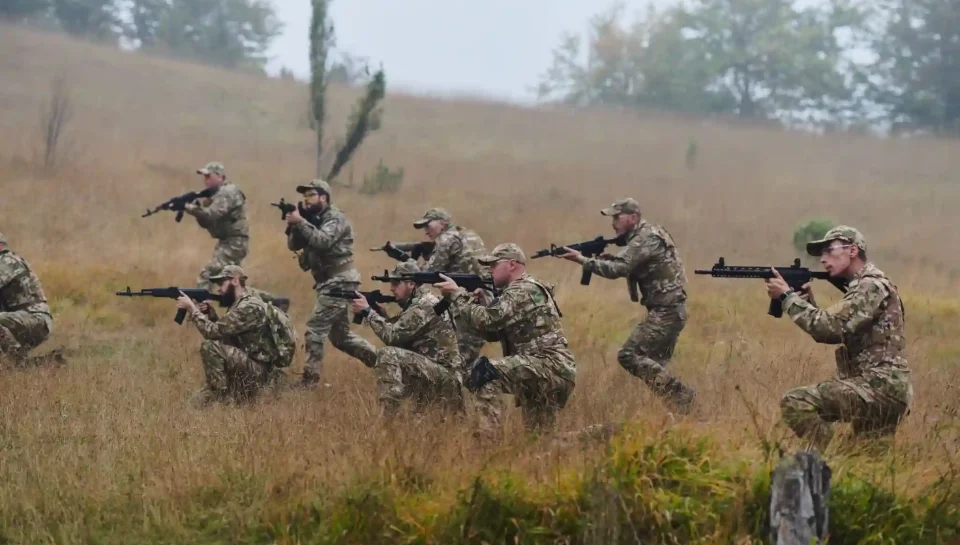
In the landscape of American military service, both the National Guard and the Active Duty Army play pivotal roles. While they may seem similar at first glance, their missions and operational structures are distinct. Understanding the differences between the National Guard mission and the Active Duty Army is crucial for anyone interested in military service or national defense. This guide will explore their respective roles, training, benefits, and challenges, providing a clear picture of how these two components contribute to the safety and security of the nation.
The Structure of the National Guard and Active Duty Army
At the core of understanding the National Guard and the Active Duty Army is their organizational structure. The National Guard is unique in that it operates under both state and federal commands. Each state has its own National Guard, which is primarily controlled by the governor. However, in times of national emergency or federal activation, the President can mobilize the National Guard for duty.
In contrast, the Active Duty Army is entirely a federal force. Soldiers in the Active Duty Army are under the command of the Department of Defense and serve full-time. This federal structure allows the Active Duty Army to respond quickly to national threats and engage in global operations.
Federal vs. State Control
The dual nature of the National Guard’s command structure is one of its defining characteristics. When not activated, the National Guard operates under state authority, meaning its primary mission is to serve the needs of the state. This can involve responding to natural disasters, civil unrest, or other emergencies within the community.
On the other hand, the Active Duty Army functions solely under federal control. Its missions are focused on national defense, and its members are stationed both domestically and overseas. This federal-only command allows for a more streamlined approach to military operations and readiness.
The Core Mission of the National Guard
The National Guard’s mission is multifaceted, serving both state and national interests. One of the key aspects of the National Guard mission is its dual role. On one hand, it acts as a reserve force for the federal military, ready to be deployed when needed. On the other hand, it provides vital support to state governments during emergencies.
This dual mission makes the National Guard unique. It is designed to be flexible, allowing it to respond to a wide range of situations, from combat operations overseas to disaster relief efforts at home. This versatility is essential for maintaining community safety and national security.
Emergency Response and Community Support
One of the most visible aspects of the National Guard’s mission is its role in emergency response. The National Guard is often called upon to assist during natural disasters, such as hurricanes, floods, and wildfires. Members are trained to provide critical services, including search and rescue operations, medical assistance, and logistical support.
For example, during Hurricane Katrina in 2005, the National Guard was instrumental in rescue and recovery efforts. Their presence helped stabilize communities and restore order in the aftermath of the disaster. Such missions highlight the National Guard’s commitment to community support and emergency response.
The Core Mission of the Active Duty Army
In contrast to the National Guard, the Active Duty Army’s primary mission is focused on national defense. The Active Duty Army is responsible for protecting the United States from external threats and engaging in combat operations when necessary. This mission requires a high level of readiness and the ability to deploy quickly to various locations around the world.
The Active Duty Army is structured to maintain a constant state of readiness. Soldiers are trained to operate in diverse environments and are prepared for a wide range of military operations. This readiness is essential for ensuring that the United States can respond effectively to global threats.
Combat Operations and Readiness
Combat operations are at the forefront of the Active Duty Army’s mission. Soldiers undergo rigorous training to prepare for potential deployments, ensuring they are equipped to handle a variety of combat scenarios. This training includes not only physical fitness and weapons proficiency but also tactical training that prepares soldiers for real-world engagements.
Recent military engagements, such as operations in Afghanistan and Iraq, illustrate the Active Duty Army’s commitment to national security. These operations require soldiers to be adaptable and ready to face evolving threats on the battlefield.
Training and Readiness: National Guard vs. Active Duty Army
Training and readiness are critical components for both the National Guard and the Active Duty Army. However, the training programs and schedules differ significantly between the two forces.
The National Guard typically trains one weekend a month and participates in annual training exercises that last about two weeks. This part-time commitment allows members to maintain civilian careers while serving. However, it also means that their training is often more limited compared to their Active Duty counterparts.
Differences in Training Schedules
In contrast, Active Duty Army soldiers are in continuous training, engaging in daily exercises that keep them mission-ready. This full-time commitment ensures that they are always prepared for deployment. The intensity and frequency of training for Active Duty soldiers can lead to a higher level of preparedness for immediate combat operations.
These differences in training schedules can impact the overall readiness of both forces. While the National Guard is well-equipped to handle local emergencies, the Active Duty Army’s continuous training allows for rapid deployment and engagement in combat situations.
Benefits and Opportunities in the National Guard and Active Duty Army
Members of both the National Guard and the Active Duty Army enjoy a variety of benefits and opportunities. These can include healthcare, retirement plans, and educational assistance. Both branches provide financial support for higher education, making military service an attractive option for those looking to further their education while serving their country.
In the National Guard, members can access tuition assistance and other educational resources that help them pursue degrees and vocational training. This support can lead to valuable skills and career opportunities upon completing their service.
Challenges Faced by the National Guard and Active Duty Army
Despite their many benefits, both the National Guard and the Active Duty Army face unique challenges. Recruitment and retention are ongoing concerns, particularly in a competitive job market. Attracting new members and keeping experienced soldiers is vital for maintaining operational capacity.
Funding is another critical issue affecting both components. Budget constraints can impact training, equipment, and overall readiness. Addressing these financial challenges is essential to ensure that both the National Guard and the Active Duty Army can fulfill their missions effectively.
Lastly, mental health support is a significant concern for service members in both branches. Many individuals face challenges related to their service, including PTSD and other mental health issues. Providing adequate resources and support for mental health is crucial for the well-being of all service members.
Conclusion
In summary, the National Guard and Active Duty Army each play vital roles in ensuring the safety and security of the nation. While their missions differ, both are essential components of the United States military. Understanding the distinctions between the National Guard’s mission and the Active Duty Army helps clarify their respective contributions to national defense and community support.
As they navigate the challenges of recruitment, funding, and mental health, both the National Guard and the Active Duty Army remain committed to serving their country. Appreciating their unique missions and the dedication of their members is essential for recognizing the value they bring to society.
Frequently Asked Question
What is the primary mission of the National Guard?
The primary mission of the National Guard is to serve both state and federal needs. This includes emergency response to natural disasters, supporting local law enforcement, and providing a reserve force for the U.S. military during national emergencies.
How does the training differ between the National Guard and the Active Duty Army?
National Guard members typically train one weekend a month and participate in annual two-week training exercises, while Active Duty Army soldiers train full-time. This difference in commitment impacts their readiness levels for immediate deployment and combat operations.
Can National Guard members be deployed overseas?
Yes, National Guard members can be deployed overseas, especially when activated for federal missions. They serve alongside Active Duty Army units in combat operations and peacekeeping missions, demonstrating their dual role in both domestic and international affairs.
What benefits do National Guard members receive?
National Guard members receive various benefits, including educational assistance, healthcare, retirement plans, and pay during training and deployments. These benefits help support their civilian careers and provide financial security while serving in the military.
What challenges does the National Guard currently face?
The National Guard faces challenges such as recruitment and retention, budget constraints affecting training and equipment, and mental health issues among service members. Addressing these challenges is crucial for maintaining operational readiness and supporting the well-being of its members.