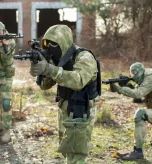


Training is the backbone of military readiness, and in the Army, two critical phases define a soldier’s early career: Basic Combat Training (BCT) and Advanced Individual Training (AIT). These phases are designed to instill essential skills and knowledge necessary for military service. Understanding the differences between BCT and AIT is crucial for new recruits and their families as they embark on this transformative journey. This guide provides a detailed overview of both training phases, highlighting their structures, objectives, and the unique roles they play in preparing soldiers for their military careers.
What is Basic Combat Training (BCT)?
Basic Combat Training, or BCT, serves as the foundation for all soldiers entering the Army. This initial training phase is designed to prepare recruits for military life and the challenges they will face. BCT typically lasts about ten weeks and is structured to develop both physical and mental toughness.
During BCT, recruits undergo rigorous physical training, learn basic military tactics, and develop the discipline necessary for service. The environment is challenging but supportive, focusing on teamwork and camaraderie. Recruits learn to operate as part of a unit, which is essential for future success in the Army.
BCT is divided into three phases: Red Phase, White Phase, and Blue Phase. Each phase has specific objectives and focuses on different aspects of training. In the Red Phase, recruits are introduced to the Army’s core values and begin to develop physical fitness. The White Phase focuses on weapons training and basic soldiering skills. Finally, the Blue Phase emphasizes field training exercises and prepares recruits for their transition to AIT.
Training Objectives of BCT
The primary objective of BCT is to instill the core values of the Army in new soldiers. This includes physical fitness, discipline, and the ability to work effectively as part of a team. Recruits engage in various activities designed to enhance their combat readiness, including marksmanship, land navigation, and tactical exercises.
Additionally, BCT emphasizes the importance of mental resilience. Soldiers learn to adapt to stress and overcome challenges, skills that will be vital in their military careers. By the end of BCT, recruits are expected to demonstrate basic soldiering skills and a commitment to the Army’s values.
The training also includes classes on military customs, courtesies, and the Army’s history. Recruits learn about the organizational structure of the Army and the importance of following orders. These foundational lessons are crucial for fostering a sense of belonging and understanding the Army’s mission.
Transition from BCT to AIT
After completing BCT, soldiers transition to Advanced Individual Training, commonly known as AIT. This transition marks a significant shift in focus from general military training to specialized job training. It is an essential step for soldiers as they prepare for their specific roles within the Army.
The process of moving from BCT to AIT can be both exciting and daunting. Soldiers must adjust to their new training environments and expectations. This transition is crucial as it sets the stage for their future responsibilities and contributions to the Army.
During the transition, soldiers may experience a range of emotions, including excitement about learning new skills and anxiety about meeting the demands of their specific MOS. Understanding that this transition is a normal part of the military journey can help alleviate some of the stress recruits may feel.
Emotional and Psychological Aspects
The transition from BCT to AIT involves not just a change in training but also an emotional adjustment. Soldiers may feel a mix of excitement and anxiety as they prepare to specialize in their military occupational specialty (MOS). It’s essential for recruits to recognize that support systems are in place to help them navigate this period.
The camaraderie developed during BCT often continues into AIT, providing a supportive network for soldiers. This connection can help ease the emotional challenges of adjusting to new training and expectations. Additionally, many AIT instructors are former soldiers who understand the transition process and can offer guidance and support.
Recruits should also take advantage of resources offered by the Army, such as counseling services and peer support groups. These resources can provide valuable assistance in managing stress and maintaining mental well-being during training.
What is Advanced Individual Training (AIT)?
Advanced Individual Training, or AIT, is the phase where soldiers receive specialized training for their chosen military occupational specialty (MOS). AIT can vary in length, depending on the complexity of the job, ranging from a few weeks to several months.
During AIT, soldiers focus on the specific skills and knowledge required for their designated roles. This phase is critical for ensuring that soldiers are well-prepared to perform their jobs effectively in various operational environments.
AIT is structured differently than BCT. While BCT emphasizes physical training and discipline, AIT focuses more on technical skills and job-specific training. Soldiers learn through a combination of classroom instruction, hands-on practice, and simulations that mirror real-world scenarios.
Specialization in AIT
The primary focus of AIT is specialization. Soldiers receive in-depth training that equips them with the necessary skills for their specific jobs. This could include technical training for roles in fields like engineering, logistics, or medical services.
During AIT, soldiers are taught how to operate the equipment and technology relevant to their MOS. For example, a soldier training to become a military police officer will learn about law enforcement procedures, while a soldier training as a medic will gain hands-on experience in emergency medical care.
AIT is also where soldiers begin to develop their professional identities within the Army. They have the opportunity to meet other soldiers who share similar career paths and build relationships that can last throughout their military careers.
Comparison of BCT and AIT
While both BCT and AIT are essential phases of Army training, they serve different purposes and focus on varying aspects of military life. BCT is primarily about instilling basic soldiering skills and values, while AIT is about preparing soldiers for their specific roles within the Army.
In BCT, the emphasis is on teamwork, discipline, and physical readiness. Recruits learn to follow orders and work together as a unit. This foundational training is critical for developing the skills necessary for future success in the Army.
In contrast, AIT focuses on the technical competencies required for soldiers to excel in their designated positions. While there is still an emphasis on discipline and teamwork, the training is more job-specific and tailored to the needs of each soldier.
Expectations During Each Phase
During BCT, recruits can expect a rigorous routine that includes physical training, drills, and classes on military procedures. The environment is intense, designed to push recruits to their limits and foster resilience. Recruits learn to adapt to a structured lifestyle, which often involves early mornings and strict schedules.
In AIT, the daily routine shifts to include more specialized training sessions, hands-on practice, and technical instruction. Soldiers are encouraged to engage actively in their learning, preparing them for the responsibilities they will assume once they complete their training.
The atmosphere in AIT can be more relaxed than in BCT, as soldiers are now focusing on their specific career fields. However, maintaining discipline and professionalism is still essential, as soldiers are expected to embody Army values throughout their training.
The Importance of BCT and AIT in Military Readiness
Both BCT and AIT play a vital role in ensuring military readiness. BCT lays the groundwork for a soldier’s future success by instilling essential values and skills. Meanwhile, AIT equips soldiers with the specific knowledge needed for their roles, ensuring they are prepared to contribute effectively to their units.
Together, these training phases create a well-rounded soldier who is ready to face the challenges of military service. The comprehensive training provided through BCT and AIT is crucial for maintaining the Army’s operational effectiveness and readiness.
The skills learned in BCT and AIT are directly applicable in real-world scenarios. For example, soldiers who have completed BCT will understand the importance of teamwork and discipline when deployed, while those who have completed AIT will be prepared to execute their roles effectively in various situations.
Conclusion
In conclusion, understanding the differences between Basic Combat Training (BCT) and Advanced Individual Training (AIT) is essential for anyone entering the Army. BCT focuses on building foundational skills and values, while AIT provides specialized training for specific military roles. Together, these phases ensure that soldiers are well-prepared for their service, contributing to the effectiveness of the Army as a whole.
By appreciating the significance of both BCT and AIT, recruits can embark on their military journey with confidence and clarity. The training they receive during these phases will shape their careers and help them become effective members of their units. The commitment to training exemplified in both BCT and AIT reflects the Army’s dedication to maintaining a highly skilled and prepared force, ready to face any challenge that arises.