
Army training is a critical component of military preparedness, shaping individuals into effective soldiers. It encompasses a wide range of skills, from basic combat techniques to specialized training in various military occupational specialties. This guide aims to provide an overview of the different aspects of army training, focusing on basic combat training (BCT) and advanced specialized skills. Understanding this training process is essential for prospective recruits and anyone interested in the military.
The Foundation of Army Training
At the heart of army training is a structured approach designed to develop well-rounded soldiers. The training process begins with the recognition that physical fitness and mental resilience are paramount. Recruits undergo rigorous physical conditioning to build strength, endurance, and agility. These attributes are essential for meeting the demands of military life and combat situations. Additionally, mental toughness is fostered through scenarios that challenge recruits to think critically and adapt quickly under pressure.
Key Elements of Foundation Training
-
Physical Fitness: Emphasis on cardiovascular and strength training to prepare for the demands of military life.
-
Mental Resilience: Strategies to build mental toughness, including stress management techniques.
The army’s training framework is designed to be comprehensive. It not only focuses on physical capabilities but also instills core values such as discipline, teamwork, and leadership. These foundational elements create a soldier who is not only fit for combat but also capable of functioning effectively within a team, making quick decisions in high-stress environments.
Basic Combat Training (BCT) Explained
Basic Combat Training is the first step for new recruits entering the army. This training lasts approximately ten weeks and is designed to transform civilians into soldiers. It covers a wide array of essential skills that every soldier must master. The experience is intense, demanding physical and mental endurance from each participant.
Core Components of BCT
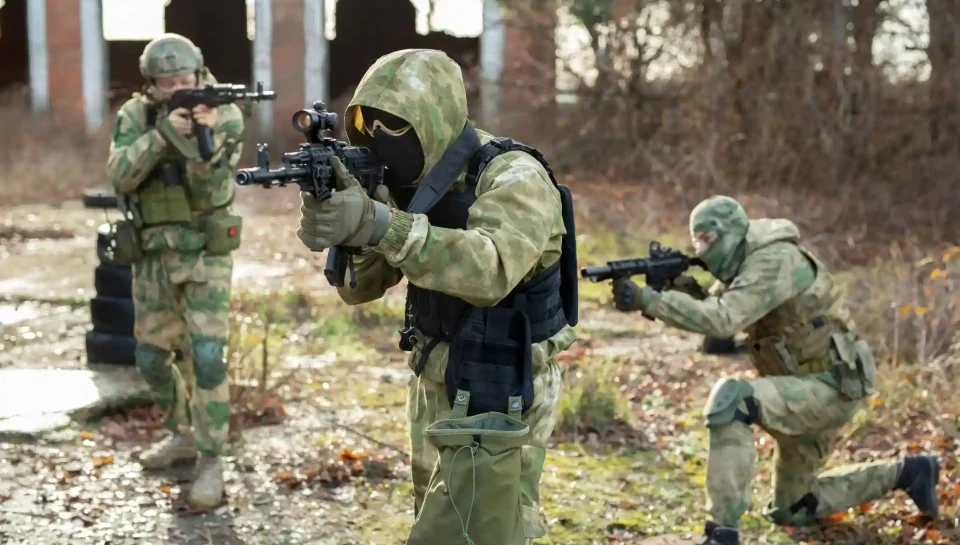
The core components of BCT include physical conditioning, weapons training, and tactical drills. Recruits engage in daily physical training sessions that build strength and stamina. They learn how to handle various weapons, understanding their mechanics and safety protocols. Tactical drills simulate combat scenarios, teaching recruits how to respond effectively in real-life situations. This includes everything from navigating difficult terrain to engaging in simulated combat with opposing forces.
Skills Development During BCT
-
Teamwork: Soldiers learn to collaborate effectively and build trust with fellow recruits.
-
Leadership: Opportunities to take on leadership roles, preparing recruits for future responsibilities.
During BCT, emphasis is placed on developing soldier skills beyond just physical training. Teamwork is crucial, as soldiers must learn to work together seamlessly. Communication and collaboration are essential for mission success. Additionally, leadership qualities are nurtured throughout the training process, preparing recruits to take charge when necessary and support their fellow soldiers.
Specialized Skills Training Overview
After completing Basic Combat Training, soldiers have the opportunity to pursue specialized skills training. This phase is known as Advanced Individual Training (AIT) and focuses on specific military occupational specialties (MOS). Each soldier selects a path based on their interests and the needs of the army. AIT provides in-depth training tailored to the chosen specialty, ensuring soldiers are well-prepared for their roles.
Understanding AIT
The AIT process is vital for developing the expertise needed in various fields, such as engineering, communications, medical support, and logistics. Each specialty has its own set of skills and knowledge that soldiers must acquire. For example, those training as medics will learn life-saving techniques and emergency medical procedures, while infantry soldiers will focus on combat tactics and field operations.
Specialized Programs and Schools
In addition to AIT, soldiers may also enroll in specialized programs and schools that offer advanced training. Programs like Airborne School and Ranger School provide elite training for those seeking to enhance their capabilities. These schools are known for their rigorous standards and intense physical challenges. Soldiers who complete these programs gain valuable skills that set them apart and prepare them for more demanding roles within the army.
Continuous Training: A Lifelong Commitment
Training in the army does not end after Basic Combat Training or AIT. Continuous training is a fundamental aspect of military life, ensuring that soldiers remain proficient and ready for any situation. Ongoing training allows soldiers to hone their skills and adapt to new technologies and strategies.
Unit Training Exercises
Unit training exercises play a crucial role in this continuous development. These exercises simulate real-world scenarios that soldiers may face during deployments. They allow units to practice together, refine their tactics, and build cohesion. The benefits of these practical applications are immense. Soldiers gain hands-on experience that enhances their readiness for actual combat situations.
-
Realistic Scenarios: Training exercises mimic potential combat situations to prepare soldiers effectively.
-
Team Cohesion: Regular exercises foster teamwork and improve unit dynamics.
Moreover, soldiers have opportunities to pursue certifications and advanced qualifications through various programs. These can include specialized training in areas like cybersecurity, advanced medical care, or leadership courses. Pursuing these certifications not only enhances individual skill sets but also improves career advancement opportunities within the army.
Personal Growth Through Army Training
Army training is not solely about developing combat skills; it also fosters significant personal growth. The rigorous training process instills discipline and resilience, qualities that benefit soldiers both in and out of military life. Many recruits find that the challenges they face during training translate into greater confidence and self-reliance.
Life Skills Gained Through Training
Life skills gained through this training extend far beyond military applications. Soldiers develop strong leadership abilities, effective communication skills, and a knack for problem-solving. These skills are valuable in civilian life, making veterans highly sought after in the job market. Employers often appreciate the dedication and work ethic cultivated through military service.
Building Bonds and Camaraderie
Furthermore, the bonds formed during training create a sense of camaraderie that lasts a lifetime. Soldiers experience unique challenges together, fostering deep relationships built on trust and mutual respect. This sense of belonging is a powerful aspect of military life, often described as a family-like connection among service members.
Conclusion
In conclusion, army training is a comprehensive process that equips soldiers with essential combat techniques and specialized skills. From Basic Combat Training to Advanced Individual Training, each phase is designed to prepare individuals for the challenges they will face as soldiers. Continuous training ensures that soldiers remain proficient and ready for any situation, while the personal growth experienced through this journey is invaluable.
For those considering a military career, understanding the commitment and dedication required for army training is crucial. The skills developed during this process not only shape effective soldiers but also prepare individuals for success in their personal and professional lives. By embracing the opportunities presented through army training, recruits can embark on a rewarding journey that significantly impacts their futures.
Frequently Asked Question
What is the duration of Basic Combat Training (BCT)?
Basic Combat Training (BCT) typically lasts about ten weeks. This intense program is designed to turn civilians into soldiers by teaching essential combat skills, physical fitness, and army values. The duration may vary slightly based on the specific training location and the soldier’s military occupational specialty.
How does Advanced Individual Training (AIT) differ from BCT?
Advanced Individual Training (AIT) follows Basic Combat Training (BCT) and focuses on specialized skills related to a soldier’s chosen military occupational specialty (MOS). While BCT emphasizes general combat readiness, AIT provides in-depth training tailored to specific roles, such as medical, engineering, or communications fields.
What are the benefits of continuous training in the army?
Continuous training in the army is crucial for maintaining soldier proficiency and readiness. It allows soldiers to adapt to new technologies, refine their skills, and strengthen teamwork. Continuous training also fosters personal growth, leadership development, and enhances career advancement opportunities within the military.